When MAS*H first aired in 1972, no one could have predicted it would become one of the most beloved and thought-provoking television series in history. This groundbreaking show blended comedy and drama in ways that had never been seen before, tackling the horrors of war while still managing to make audiences laugh. But beneath the surface of this iconic series lies a treasure trove of fascinating details that even die-hard fans might not know.
Why Did MAS*H Choose Korea Instead of Vietnam?
This question puzzles many viewers, especially considering that MAS*H premiered during the height of the Vietnam War. The answer reveals a brilliant strategic decision by the show’s creators. While the Korean War setting provided historical distance, everyone understood the real target of the show’s anti-war message. By placing the story in the 1950s, the writers could critique military bureaucracy, the futility of war, and the human cost of conflict without directly confronting the ongoing controversy of Vietnam.
This creative choice gave the show remarkable freedom. The network couldn’t easily censor content by claiming it was undermining current military operations. Yet viewers clearly saw the parallels between Korea and Vietnam, making every episode resonate with contemporary relevance. The producers essentially found a loophole that allowed them to say things about war that would have been impossible in a show set in the present day.
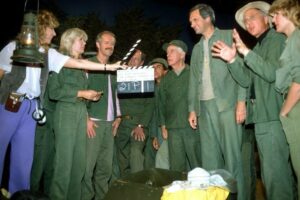
The genius of this approach became even more apparent as the series progressed. MAS*H ran for eleven seasons, far longer than the three-year Korean War it depicted. This allowed the show to evolve and mature, exploring deeper themes about humanity, friendship, and survival that transcended any specific conflict. The Korean War setting became a timeless canvas for examining universal truths about human nature under extreme circumstances.
How Did MAS*H Achieve Its Perfect Balance Between Comedy and Tragedy?
The tonal balance of MAS*H remains one of its most remarkable achievements. One moment you’re laughing at Hawkeye’s pranks, and the next you’re confronting the brutal reality of operating room scenes with real consequences. This wasn’t accidental—it was carefully orchestrated through writing, directing, and performance choices that respected both the comedy and the drama.
The show’s writers understood something profound about the human experience in crisis situations. Real people facing trauma don’t spend every moment in despair. They joke, they laugh, they find moments of absurdity and joy even in the darkest circumstances. The humor in MAS*H wasn’t despite the war—it was because of the war. The characters used comedy as a survival mechanism, a way to maintain their sanity while surrounded by insanity.
This approach evolved throughout the series. Early seasons leaned more heavily into comedy, but as the show matured, the dramatic elements deepened. Characters developed complex emotional arcs. Episodes like “Sometimes You Hear the Bullet” and “The Interview” showed that MAS*H could be unflinchingly serious when necessary. Yet even in the most dramatic episodes, small moments of humor reminded viewers of the characters’ essential humanity.
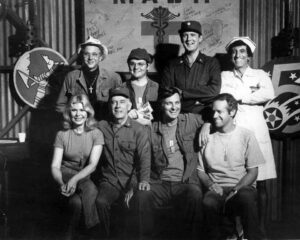
The casting played a crucial role in achieving this balance. Actors like Alan Alda, Loretta Swit, and Mike Farrell could pivot seamlessly from comedy to drama, sometimes within the same scene. Their performances grounded even the most outrageous situations in emotional truth, making audiences care deeply about these characters’ fates.
What Made the MAS*H Finale the Most-Watched Television Event in History?
The MAS*H finale, “Goodbye, Farewell and Amen,” attracted 105.9 million viewers when it aired on February 28, 1983. This record held for decades and represented a cultural phenomenon that’s difficult to imagine in today’s fragmented media landscape. But what made this finale so monumentally successful goes beyond simple nostalgia.
For eleven years, viewers had invested emotionally in these characters. They’d laughed with them, cried with them, and grown alongside them. The finale promised closure to storylines and relationships that had become deeply personal to millions of fans. In an era before streaming services and social media, this was a communal event that brought families and friends together around their television sets.
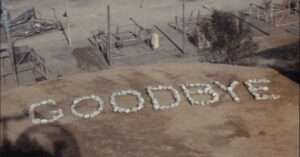
The finale itself delivered on its promise spectacularly. Running two and a half hours, it provided satisfying conclusions for each character while addressing the psychological toll of war in unflinching terms. Hawkeye’s breakdown and recovery formed the emotional core, showing that even the show’s comic anchor had been profoundly damaged by his experiences. The final image of “GOODBYE” spelled out in stones remains one of television’s most iconic moments.
The timing also mattered. By 1983, MAS*H had earned the right to end on its own terms, at the peak of its creative powers rather than declining into irrelevance. The finale represented not just the end of a show, but the end of an era in television history—a time when a single program could unite the nation in shared experience.
Conclusion
These three questions only scratch the surface of what makes MASH such a rich subject for exploration. The show’s legacy extends far beyond its impressive ratings and awards. It changed what television could be, proving that a series could be simultaneously entertaining and meaningful, funny and tragic, popular and profound. Understanding the creative decisions behind MASH helps us appreciate not just the show itself, but the art of television storytelling at its finest.