Over eleven seasons and 251 episodes, MASH delivered consistently brilliant television, but twelve episodes stand above the rest as the series’ creative pinnacle. These weren’t just fan favorites—they were episodes that earned critical acclaim, industry recognition, and ratings that reflected their extraordinary quality. From groundbreaking experimental storytelling to emotionally devastating character studies, these twelve highest-rated episodes represent the best of what television can accomplish. Understanding why these particular episodes achieved such acclaim reveals what made MASH not just popular entertainment but genuine art.
“Goodbye, Farewell and Amen” – The Finale That Broke Records
With 106 million viewers, the MAS*H finale remains one of the most-watched television broadcasts in American history. But beyond its record-breaking audience, “Goodbye, Farewell and Amen” earned its stellar ratings through two and a half hours of emotionally complex storytelling that honored every character while refusing to provide easy answers or simplistic closure.
The finale’s highest-rated elements centered on Hawkeye’s psychological breakdown and the traumatic memory he’d repressed. Alan Alda’s performance as a man confronting unbearable truth elevated television acting to heights rarely seen before. The episode didn’t shy away from war’s permanent psychological damage, showing that survival doesn’t mean unscathed. This honest portrayal of PTSD, decades before it became widely discussed, demonstrated sophisticated understanding of trauma that resonated with veterans and civilians alike.
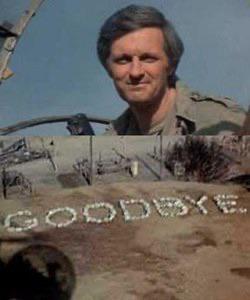
What made this finale truly exceptional was its commitment to bittersweet rather than happy endings. Characters survived and went home, but they were fundamentally changed. The closing image of “GOODBYE” spelled out in rocks as Hawkeye’s helicopter departed captured the episode’s emotional complexity—gratitude for survival mixed with grief for innocence lost and friendships ending. Critics rated this finale among television’s greatest precisely because it trusted audiences with complexity and ambiguity.
“Abyssinia, Henry” – The Death That Changed Television
This episode consistently ranks among television’s most shocking and highest-rated moments. Colonel Henry Blake’s unexpected death—killed when his plane was shot down just before reaching home—violated every television convention about beloved characters earning happy endings. The creative courage required to kill a main character this way, especially without warning the cast, created television’s most authentic grief reaction ever captured.
Critical acclaim for “Abyssinia, Henry” stems from its thematic integrity. The episode argues that war is random, cruel, and senseless—that surviving until discharge doesn’t guarantee safety. This brutal honesty elevated MAS*H from comedy to something more profound. The final operating room scene, where Radar announces Henry’s death to stunned silence, remains one of television’s most powerful moments because the actors’ shock was completely real.
Decades later, this episode’s ratings remain extraordinarily high because it represents television’s coming of age—the moment when series proved they could tell difficult truths regardless of commercial consequences. Every shocking television death since owes a debt to this episode’s creative courage.
“The Interview” – Documentary Innovation
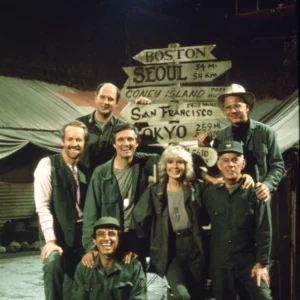
Shot in black and white with handheld cameras, “The Interview” abandoned traditional sitcom structure entirely to create a documentary-style episode where a television journalist interviews the 4077th staff. This experimental approach could have been a disaster, but instead became one of MAS*H’s highest-rated episodes by revealing character depth through intimate, unguarded moments.
What makes this episode exceptional is how actors dropped their characters’ usual defenses. Without plot to drive the narrative, the interviews revealed vulnerabilities, fears, and philosophies rarely expressed in regular episodes. Hawkeye discussing why humor matters, Margaret reflecting on sexism, and Father Mulcahy questioning his purpose created character studies that enriched viewers’ understanding of familiar personalities.
Critics praised “The Interview” for demonstrating television’s artistic possibilities. By abandoning conventional structure and trusting both actors and audiences with this experimental format, MAS*H proved that weekly series could take creative risks traditionally reserved for prestige cinema. The episode’s consistently high ratings reflect its timeless quality—it remains as fresh and powerful today as when it first aired.
“Sometimes You Hear the Bullet” – When MAS*H Found Its Voice
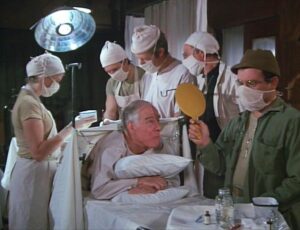
This early first-season episode marked MAS*H’s transformation from military comedy to something deeper. When Hawkeye’s childhood friend dies on his operating table, the show confronted mortality with unprecedented emotional honesty. Hawkeye’s breakdown—his tears, his rage, his inability to maintain professional distance—showed that even the best doctors can’t save everyone, and that every death wounds the healers.
The episode’s title refers to the moment when war becomes real—when abstract danger becomes personal loss. Hawkeye explains to a young soldier that “sometimes you hear the bullet” that kills you, meaning sometimes you see death coming. This metaphor captured the show’s evolving philosophy about war’s psychological impact. High critical ratings reflect recognition that this episode established MAS*H’s dramatic credibility and gave the series permission to explore darker themes.
“Point of View” – Revolutionary Perspective
Filmed entirely from the point of view of a wounded soldier, “Point of View” represented television’s most ambitious experimental episode. The audience saw everything through the patient’s eyes—including surgery on his own body, conversations about his condition, and the gradual recovery process. This technical innovation created unprecedented empathy by literally forcing viewers to experience medical care from a patient’s perspective.
The episode’s high ratings reflect both its technical achievement and emotional impact. By removing our ability to observe from comfortable distance, “Point of View” made viewers vulnerable in ways television rarely attempted. The patient’s inability to speak, his fear during procedures, and his gradual understanding of his injuries created visceral connection that traditional cinematography couldn’t match.
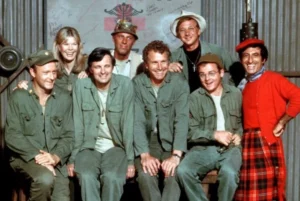
Critics recognized this episode as proof that television could employ cinematic techniques previously considered too complex or expensive for weekly series. Its influence extends to numerous shows that later experimented with restricted perspective or innovative camera work.
“Dreams” – Surrealism on Network Television
Few network sitcoms would dare dedicate an entire episode to characters’ surreal dreams, but “Dreams” did exactly that, creating one of MAS*H’s most artistically ambitious and highest-rated episodes. Each character’s dream revealed psychological truths through symbolic imagery—Hawkeye trapped in a surgical theater that becomes his coffin, Margaret drowning in military regulations, BJ desperately searching for his family.
The episode earned critical acclaim for trusting audiences with complex symbolism and psychological depth. Rather than explaining dreams’ meanings, the episode allowed viewers to interpret the imagery, respecting audience intelligence in ways television rarely attempted. The dreams revealed each character’s deepest fears and desires with artistic sophistication more associated with auteur cinema than weekly television.
High ratings for “Dreams” reflect its timeless artistic quality. The episode works as pure visual storytelling, with minimal dialogue and maximum emotional impact. It remains one of television’s most stunning achievements in bringing surrealist technique to mainstream entertainment.
“The Bus” – Tension and Character Under Pressure
When the 4077th staff’s bus breaks down in enemy territory, “The Bus” became a bottle episode that maximized tension while revealing character through crisis. Stranded between lines with wounded soldiers and limited supplies, the staff must work together to survive. The episode’s high ratings stem from its masterful balance of suspense and character development.
What distinguished “The Bus” was its use of confined space to explore interpersonal dynamics. Characters who normally maintain professional distance reveal vulnerabilities and dependencies. The episode demonstrated that MAS*H could generate genuine suspense while maintaining character integrity—the danger felt real because characters responded authentically rather than becoming action heroes.
Critics praised the episode for proving that strong writing and acting could create compelling television without expensive production values. The bus interior became a psychological pressure cooker that revealed character depths regular episodes rarely reached.
“Life Time” – Real-Time Innovation
“Life Time” unfolded in real-time, with each minute of screen time representing one minute of story time. This experimental structure created unprecedented urgency as Hawkeye fought to save a critically wounded soldier’s life while the clock literally ticked on screen. The episode’s high ratings reflect both its technical innovation and emotional intensity.
The real-time format meant no room for filler or typical sitcom beats. Every moment advanced the story, creating relentless tension that kept audiences riveted. The innovative structure influenced future television, from “24” to various procedural dramas that employed real-time episodes. Critics recognized “Life Time” as proof that television could sustain feature-film intensity within episodic constraints.
“Welcome to Korea” – The Perfect Season Premiere
Season 4’s premiere, which introduced BJ Hunnicutt and bid farewell to Trapper John, earned exceptional ratings for handling massive cast changes while maintaining the show’s quality. The episode captured the chaos of arrival and departure, showing war’s perpetual turnover while establishing BJ’s character distinct from his predecessor.
What made this episode highly rated was its emotional honesty about friendship’s fragility in wartime. Hawkeye’s devastation that Trapper left without goodbye, combined with his reluctant warming to BJ, created realistic character dynamics. The episode demonstrated that MAS*H could survive major cast changes by honoring what was lost while embracing what was new.
“Mad Dogs and Servicemen” – Social Commentary at Its Best
When a soldier possibly exposed to rabies faces execution to prevent spread, the episode became a powerful allegory about fear, prejudice, and mob mentality. The 4077th staff’s efforts to save him despite command pressure created one of the series’ most pointed critiques of military bureaucracy valuing order over individual lives.
High critical ratings reflect the episode’s sophisticated use of medical crisis as metaphor for broader social issues. The paranoia about potential infection mirrored actual witch hunts and scapegoating, making the episode politically relevant beyond its specific plot. This demonstrated MAS*H’s skill at embedding social commentary within compelling drama.
“Bug Out” – Chaos and Character
When enemy advance forces the 4077th to evacuate, “Bug Out” captured the chaos of military retreat while exploring what characters choose to save when forced to leave everything behind. The episode’s frantic energy and high stakes earned exceptional ratings while revealing character priorities through their desperate choices.
The episode earned acclaim for its technical achievement—creating convincing chaos while maintaining narrative clarity. The evacuation’s confusion felt authentic while allowing individual character moments to shine. Critics praised the episode for demonstrating that MAS*H could deliver action and spectacle without sacrificing the character development that made the show special.
“Hawkeye” – One-Man Tour de Force
When Hawkeye gets injured and stranded alone with a concussion, the episode becomes essentially a one-man show as Alan Alda carries nearly the entire episode through monologue. This technical challenge became an acting showcase that earned tremendous critical acclaim and high ratings.
The episode’s success depends entirely on Alda’s performance—his ability to remain compelling while talking to himself for an entire episode. The monologue reveals Hawkeye’s psychology, fears, and coping mechanisms with depth regular episodes rarely achieved. Critics recognized this episode as proof that strong writing and brilliant acting could sustain television narrative even without the usual ensemble dynamics.
The Legacy of Excellence
These twelve highest-rated episodes represent MASH at its creative peak—taking risks, experimenting with form, trusting audiences with complexity, and refusing to compromise artistic vision for commercial safety. Their consistently high ratings across decades demonstrate that quality endures. These episodes didn’t just entertain; they expanded television’s possibilities and proved that weekly series could achieve artistic excellence previously reserved for prestige cinema. They remind us why MASH remains television’s gold standard—because when it reached for greatness, it actually achieved it.