Behind every iconic television series lies a treasure trove of fascinating stories that never made it into the official narratives. MASH, one of the most beloved shows in television history, is no exception. While millions watched the 4077th Mobile Army Surgical Hospital save lives and crack jokes for 11 seasons, few knew the remarkable real-life dramas unfolding behind the cameras. These ten untold stories about the MASH cast reveal the dedication, struggles, and serendipitous moments that shaped this legendary series into the cultural phenomenon it became.
1. Alan Alda’s Hidden Talent: The Writer Nobody Expected
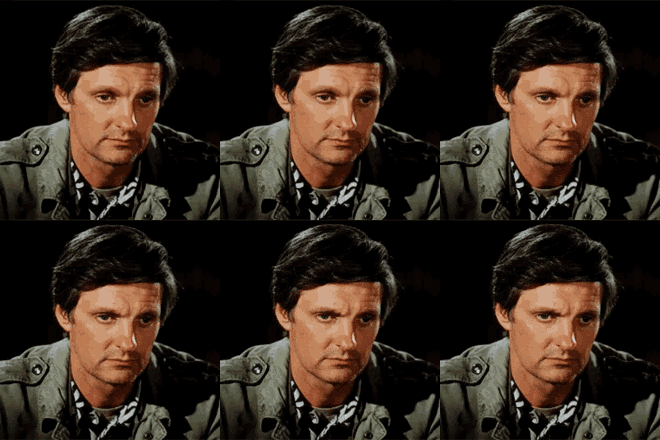
Most viewers knew Alan Alda as the brilliant Hawkeye Pierce, but few realized he was simultaneously becoming one of television’s most accomplished writer-directors. What’s remarkable is that Alda had no formal training in either discipline when he started. His first directorial effort came from pure determination—he watched other directors carefully, asked endless questions, and studied filmmaking techniques obsessively between takes.
By the series’ end, Alda had written or co-written 19 episodes and directed 32, including the historic finale watched by 125 million people. His insistence on deeper character development and more meaningful storylines often put him at odds with network executives who wanted lighter, more comedic content. Yet his vision prevailed, transforming MAS*H from a simple sitcom into groundbreaking television drama that tackled serious issues without losing its humor.
2. Gary Burghoff: The Only Actor From the Original Film
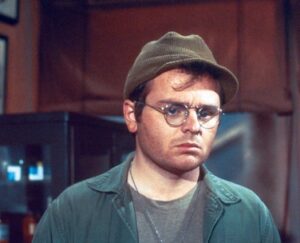
Gary Burghoff’s portrayal of Radar O’Reilly was so beloved that producers knew they couldn’t recast the role when adapting the film for television. What few people know is that Burghoff almost didn’t take the TV role, worried about being typecast and missing out on film opportunities. His decision to join the series came with significant personal sacrifice—he struggled with the demanding schedule and eventually left before the final season, despite financial incentives to stay.
Burghoff’s departure was particularly emotional because Radar represented the show’s innocence and heart. Behind the scenes, Burghoff was dealing with a difficult divorce and custody battle, making his on-screen vulnerability even more poignant. His left hand, which he kept slightly hidden throughout the series due to congenital brachydactyly, never became a storyline because Burghoff handled it so naturally that many viewers never even noticed.
3. Jamie Farr’s Wardrobe: From His Mother’s Closet
The iconic dresses that Klinger wore weren’t all created by costume designers—many came from Jamie Farr’s own mother’s closet in Toledo, Ohio. Farr would visit home during breaks and raid his mother’s wardrobe, bringing back authentic 1950s dresses that gave Klinger’s outfits genuine period authenticity. His mother became so invested in the show that she’d actively shop for outrageous outfits she thought would work for the character.
What’s more touching is that Farr, who grew up during the Depression, saw Klinger as representing the struggling working-class Americans he knew intimately. He insisted on giving the character dignity despite the comedic setup, refusing to let Klinger become a mere punchline. This respect for the character came from Farr’s own experiences as a Lebanese-American actor fighting for substantial roles in Hollywood, where ethnic actors were routinely relegated to stereotypes.
4. McLean Stevenson’s Regret: The Exit He Couldn’t Undo
McLean Stevenson’s departure after Season 3 remains one of television’s most discussed career decisions. What’s less known is that Stevenson almost immediately regretted leaving. He’d been assured by his agent that he was destined for leading-man stardom in his own sitcom, but none of his subsequent shows succeeded. Meanwhile, MAS*H continued thriving, eventually becoming even more successful after his departure.
The producers’ decision to kill off Henry Blake rather than simply transfer him was partly motivated by anger at Stevenson’s departure, but also by artistic integrity—they wanted to make a statement about war’s random cruelty. Stevenson reportedly watched that episode and wept, realizing he’d been part of something far more significant than he’d appreciated. Years later, he admitted in interviews that leaving MAS*H was the biggest professional mistake of his life.
5. Harry Morgan: The Accidental Casting That Saved the Show
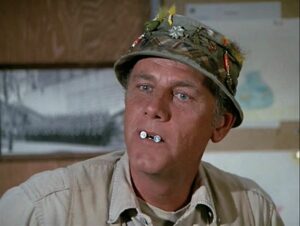
When Colonel Sherman Potter joined MAS*H in Season 4, few viewers knew that Harry Morgan had actually appeared in an earlier episode playing a completely different character—a deranged general. The producers loved Morgan so much they essentially ignored continuity to bring him back permanently. This decision proved inspired, as Morgan brought warmth, wisdom, and gravitas that helped the show transition from its madcap early seasons to its more dramatic later years.
Morgan’s own military service during World War II informed his portrayal, giving Potter an authenticity that resonated with veterans. Behind the scenes, Morgan became the cast’s emotional anchor, mediating disputes and maintaining morale during the long, grueling shooting schedules. His genuine affection for the younger cast members mirrored Potter’s paternal relationship with the 4077th staff, creating beautiful symmetry between actor and character.
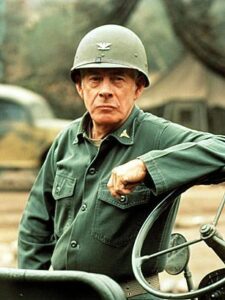
6. Loretta Swit’s Battle: Fighting for Margaret’s Evolution
Loretta Swit’s transformation of Margaret “Hot Lips” Houlihan from one-dimensional antagonist to complex, sympathetic character didn’t happen by accident—it was a conscious battle she fought with writers and producers for years. Early scripts reduced Margaret to a shrill caricature, the butt of sexist jokes that made Swit deeply uncomfortable. She persistently advocated for storylines showing Margaret’s competence, vulnerability, and growth.
Swit turned down the role of Christine Cagney in “Cagney & Lacey” to honor her MAS*H commitment, a decision that cost her a potentially star-making opportunity in a groundbreaking police drama. However, her loyalty to Margaret’s character arc paid off—by the series’ end, Margaret had become one of television’s first truly feminist characters, a competent professional woman whose strength didn’t require diminishing her femininity.
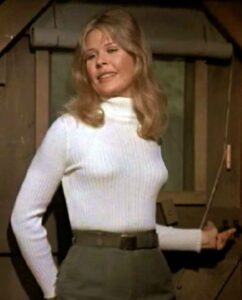
7. Mike Farrell’s Activism: The Actor Who Lived His Character’s Values
B.J. Hunnicutt’s moral compass and anti-war sentiments weren’t just scripted—they reflected Mike Farrell’s own passionate activism. What most fans don’t know is that Farrell used his MAS*H platform to become deeply involved in political causes, from nuclear disarmament to human rights advocacy. He brought this commitment to set, often suggesting storylines that addressed social justice issues.
Farrell’s dedication sometimes created tension with network executives who worried about alienating viewers, but his integrity never wavered. He visited veterans’ hospitals regularly, not for publicity but because he felt responsible to honor real soldiers’ experiences authentically. This commitment to truth made B.J. more than just a character—he became a moral voice for a generation questioning military intervention.
8. William Christopher’s Real-Life Struggles: The Hidden Pain Behind Father Mulcahy
William Christopher portrayed Father Mulcahy’s gentle kindness so convincingly that few knew he was dealing with profound personal challenges throughout the series. His youngest son was born with autism at a time when the condition was poorly understood and support was minimal. Christopher and his wife became passionate advocates for autism awareness, though he rarely discussed it publicly during MAS*H’s run.
This personal struggle informed Mulcahy’s character in subtle ways—the gentle priest who felt inadequate despite his goodness, who struggled to be heard and valued, resonated with Christopher’s own feelings of helplessness regarding his son’s condition. The character’s eventual hearing loss in the finale took on added poignancy knowing Christopher understood intimately what it meant to struggle with communication barriers.
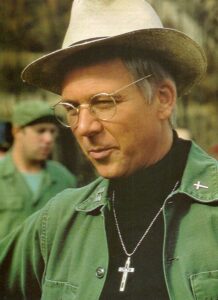
9. David Ogden Stiers: The Classically Trained Actor Who Almost Said No
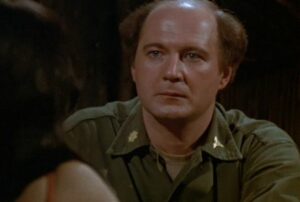
David Ogden Stiers brought Shakespearean gravitas to Charles Emerson Winchester III, but he initially resisted joining a television sitcom, fearing it would damage his serious theatrical reputation. A classically trained actor accustomed to performing Chekhov and Shakespeare, Stiers viewed television as beneath his artistic standards. Fortunately, producers convinced him that MAS*H was different—it was addressing serious themes with sophistication.
Stiers’ perfectionism sometimes frustrated fellow actors, as he’d insist on endless takes to achieve precisely the right tone. However, this dedication elevated every scene he inhabited. His insistence that Winchester be educated and cultured rather than simply pompous transformed what could have been a Frank Burns retread into one of the series’ most complex characters. Stiers proved that television could accommodate serious artistry.
10. The Final Episode Secret: The Emotional Toll Nobody Discussed
The filming of MAS*H’s finale took a devastating emotional toll on the cast that few outsiders witnessed. The production stretched over two weeks, and cast members frequently broke down crying between takes. Alan Alda’s performance during the psychiatric session scenes left him emotionally drained, struggling to shake off Hawkeye’s trauma even after filming wrapped.
What made it harder was knowing this family they’d built over 11 years was dissolving. Many cast members admitted years later that they experienced depression after the finale, struggling to find comparable camaraderie and purpose in subsequent projects. The show’s crew presented each cast member with a custom plaque containing a piece of the 4077th set, recognizing that they’d been part of something irreplaceable that would never quite be replicated in their careers.
The Legacy Behind the Legends
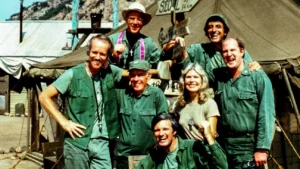
These untold stories reveal that MAS*H’s magic came not from scripts or sets, but from deeply committed artists who poured their hearts, struggles, and convictions into every scene. They fought for authenticity, sacrificed career opportunities, and created a television family so genuine that its dissolution felt like genuine loss. Understanding these hidden narratives enriches our appreciation for what they created—not just entertainment, but art that continues resonating because it was forged from real passion, real struggle, and real love for the stories they were telling.