More than four decades after its final episode aired to a record-breaking 125 million viewers, MASH remains not just remembered but actively beloved by audiences across generations. While countless television shows have come and gone, fading into nostalgic obscurity or becoming relics of their time, MASH continues to find new fans while maintaining the devotion of those who watched it during its original eleven-season run. This enduring appeal isn’t accidental—it’s the result of a remarkable combination of factors that made the show not just great television, but something genuinely timeless.
What distinguishes MASH from other classic shows is how it transcends the era in which it was created. Though set during the Korean War and produced during the Vietnam era, its themes, characters, and storytelling approach speak to universal human experiences that resonate just as powerfully today. The show’s continued presence in syndication across multiple networks, its robust online fan communities, and its ability to connect with viewers who weren’t even born when it aired testify to something rare in television history: a series that didn’t just capture its moment but somehow captured something eternal about the human condition. Here are ten reasons why MASH continues to hold such a special place in viewers’ hearts.
The Perfect Balance of Comedy and Drama
MASH pioneered what we now call the “dramedy,” proving that television could make audiences laugh and cry within the same episode—sometimes within the same scene. This wasn’t the sanitized sitcom format that dominated television when MASH premiered in 1972, where problems were resolved neatly in twenty-two minutes and consequences rarely extended beyond a single episode. MAS*H dared to show that comedy and tragedy weren’t opposites but inseparable companions, especially in extreme circumstances like war. One moment, Hawkeye would be pulling an elaborate prank on Frank Burns; the next, he’d be fighting desperately to save a dying teenager. This tonal complexity felt revolutionary in 1972 and still feels sophisticated today, because it reflects how life actually works—joy and sorrow don’t take turns; they coexist, often uncomfortably.

Characters Who Grew and Changed
Unlike most sitcoms of its era, where characters remained static to maintain a comfortable status quo, MAS*H allowed its ensemble to evolve significantly over eleven seasons. Margaret Houlihan’s transformation from one-dimensional antagonist to complex, vulnerable leader represents perhaps television’s finest example of long-term character development. Hawkeye’s descent from wisecracking idealist to traumatized surgeon bearing psychological scars showed that even protagonists weren’t immune to war’s damage. Father Mulcahy, initially a gentle background presence, gradually revealed depths of doubt, frustration, and unexpected strength. This character growth meant the show never became repetitive or predictable—the people we were watching genuinely changed, forcing the stories and dynamics to change with them.
Timeless Themes That Transcend Era
Though MASH was nominally set during the Korean War (1950-1953), it aired during the Vietnam War and clearly served as commentary on that conflict. Yet decades after both wars ended, the show’s themes remain urgently relevant. Questions about the cost of war, the difficulty of maintaining humanity in dehumanizing circumstances, the tensions between duty and conscience, the ways institutions fail individuals—these aren’t issues specific to Korea or Vietnam or any particular conflict. They’re fundamental questions about how we navigate impossible situations, how we retain our values when everything pressures us to abandon them, how we find meaning in chaos. Every generation facing new conflicts, moral dilemmas, and institutional failures finds resonance in MASH’s exploration of these timeless themes.
Humor That Doesn’t Rely on Dated References
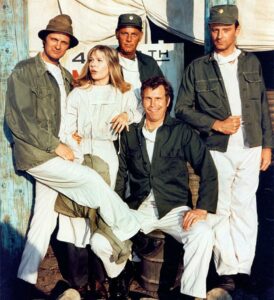
Many shows from MASH’s era feel hopelessly dated when watched today, their humor dependent on cultural references that no longer land or social attitudes that now seem problematic. MASH’s comedy, while occasionally showing its age, largely holds up because it’s rooted in character, situation, and wordplay rather than topical references or cheap stereotypes. Hawkeye’s wit comes from his intelligence and his need to maintain sanity through humor. Klinger’s Section 8 schemes work as absurdist comedy that transcends their specific context. Winchester’s pomposity clashing with camp reality creates timeless comedy of manners. The show’s best jokes come from human nature—ego, pride, fear, desire, the collision between ideals and reality—which haven’t changed in forty years and won’t change in forty more.
Groundbreaking Willingness to Address Serious Issues
MASH didn’t just acknowledge that war was hell—it explored specific dimensions of that hell with unflinching honesty. Mental health, PTSD (before it had that name), racism, disability, sexism, the morality of following orders, the question of what makes a person a hero or a coward—the show tackled subjects that television rarely touched, and when it did, usually handled superficially. MASH treated these issues with nuance and seriousness, trusting its audience to engage with complexity rather than seeking easy answers. Episodes like “The Interview,” shot in documentary style, or “Dreams,” exploring characters’ nightmares, pushed television’s boundaries. This willingness to address difficult subjects makes MAS*H feel more relevant now than many contemporary shows that shy away from controversy.
An Ensemble Cast Where Everyone Mattered
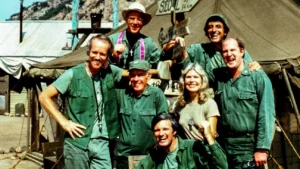
Unlike many shows built around a single star, MAS*H succeeded because its entire ensemble felt essential. Yes, Hawkeye was the anchor, but Margaret, Klinger, Winchester, Potter, B.J., Father Mulcahy—each brought something irreplaceable to the 4077th’s ecosystem. Even supporting characters like Nurse Kellye, Igor, or Rizzo felt like real people with their own stories rather than background props. This ensemble approach meant the show could shift perspectives and focus, giving us episodes centered on different characters that revealed new dimensions of the camp’s life. It also meant that cast changes, which would have destroyed lesser shows, became opportunities for fresh dynamics. The show survived losing Henry Blake, Trapper John, Frank Burns, and Radar because it had built a world rather than a vehicle for particular performers.
Respect for Intelligence and Emotional Complexity
MASH never talked down to its audience or simplified complex emotions into easily digestible formulas. It trusted viewers to understand ambiguity, to sit with uncomfortable feelings, to grasp that sometimes there are no good answers. Characters could be admirable and flawed simultaneously. Victory could feel hollow. Survival could carry guilt. The show understood that intelligence and emotional depth aren’t obstacles to popularity but pathways to genuine connection with audiences. This respect for viewers’ capacity to engage with sophisticated storytelling makes MASH feel more mature and engaging than much contemporary television that underestimates its audience.
The Documentary-Style Authenticity
MAS*H grounded its storytelling in research and authenticity that gave it documentary weight despite being fiction. The show consulted actual MASH surgeons, used real medical procedures, maintained military protocol accuracy, and captured the rhythms and routines of military life with attention to detail. Even the camp’s physical appearance—the mud, the chaos, the improvised quality of everything—contributed to a sense of reality that made the comedy funnier and the drama more affecting. This authenticity extended to how people talked and related to each other, avoiding the artificially witty banter of most sitcoms in favor of conversation that sounded like how real people actually speak when they’re tired, scared, and trying to maintain their sanity.
A Finale That Actually Delivered
Many beloved shows stumble in their finales, disappointing devoted fans or undermining what made them special. MASH’s “Goodbye, Farewell and Amen” remains television’s gold standard for series endings. It gave the characters appropriate send-offs, addressed the show’s major themes, provided emotional catharsis, and didn’t shy away from showing that even endings carry scars. Hawkeye’s psychological breakdown and recovery, B.J.’s tearful departure, Margaret’s bittersweet goodbye to the camp that transformed her, Klinger’s unexpected decision to stay—each conclusion felt earned and true to character. The finale’s massive audience (still television’s most-watched episode ever) proved that viewers trusted MASH to stick the landing, and the show rewarded that trust magnificently.
It Showed That Goodness Can Coexist With Cynicism
Perhaps MAS*H’s most important quality is its fundamental decency. Despite all the cynicism, the mockery of authority, the dark humor about death and suffering, the show never abandoned its belief that people can be good, that compassion matters, that maintaining your humanity is worth the effort even when everything conspires against it. Hawkeye’s wisecracking concealed genuine caring. Margaret’s tough exterior protected a vulnerable heart. Even characters like Winchester, introduced as antagonists, revealed surprising depths of principle and kindness. The show demonstrated that you could acknowledge the world’s horrors and humanity’s flaws while still believing in the possibility of decency, courage, and love. This balance—cynical about systems but optimistic about individuals—resonates with viewers tired of entertainment that offers either naive positivity or nihilistic despair.
A Living Legacy That Continues to Connect Generations
The most powerful evidence of MASH’s enduring appeal is how it continues to find new audiences decades after ending. Parents introduce their children to the 4077th, creating shared experiences across generations. Online communities thrive with fans discussing episodes, sharing favorite moments, and analyzing the show’s themes. The series remains in constant syndication, proving that networks still see value in programming that predates entire generations of viewers. Young viewers discovering MASH today report being surprised by how relevant it feels, how the issues it addresses—war’s psychological toll, institutional incompetence, the struggle to maintain ethics under pressure—speak directly to contemporary concerns. This isn’t nostalgia driving MAS*H’s continued popularity; it’s recognition that the show captured something timeless about human resilience, the power of community, and the ways humor helps us survive impossible situations.
Why MAS*H Still Matters
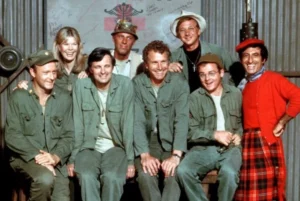
These ten reasons explain why MAS*H isn’t just remembered fondly but actively watched, discussed, and loved by audiences who weren’t alive during its original run. The show succeeded not by playing it safe but by taking risks—blending genres, allowing tones to shift dramatically, trusting audiences with complexity, showing that television comedy could address serious subjects without becoming preachy or losing its humor. It created a world that felt real enough to matter and characters we genuinely cared about, then gave them stories worthy of that investment.
MAS*H proved that television could be art without being pretentious, could be funny without being trivial, could be popular without being dumb. It showed that audiences would embrace sophistication if given the chance, that you didn’t need to simplify or sanitize to reach broad audiences. Most importantly, it demonstrated that great television isn’t about tricks or gimmicks but about understanding human nature, telling truthful stories, and trusting that if you create something genuine, audiences will recognize and respond to that authenticity.
The show’s continued presence in viewers’ hearts isn’t nostalgia—it’s recognition that MAS*H achieved something rare and precious: it made television that matters, that endures, that speaks across decades and generations about what it means to be human in impossible circumstances. That’s why, more than forty years after Hawkeye left the 4077th for the last time, we’re still watching, still laughing, still crying, and still finding new depths in a show that trusted us to understand that life is complicated, painful, beautiful, and absolutely worth living.