When viewers think of MASH, they often remember the humor, the camaraderie, and the devastating portrayal of war’s human cost. Yet beneath every scene, woven into the fabric of the narrative, lies an extraordinary musical tapestry that elevated the show from great television to legendary cinema. The music of MASH wasn’t merely background accompaniment—it was a character in itself, speaking volumes in moments where words fell silent.
1. The Unforgettable Theme Song’s Evolution
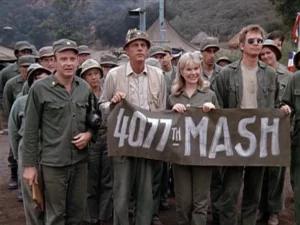
The MAS*H theme song, featuring Johnny Mandel’s composition with lyrics by Mike Altman, became one of television’s most recognizable melodies. What many viewers never realized was how the theme itself evolved throughout the series’ eleven seasons. The opening guitar riff, played by Oscar-winning composer Mandel, captured the paradox of the show itself: haunting yet catchy, melancholic yet gently humorous. The instrumental version played over the opening credits perfectly encapsulated the show’s unique tone, immediately signaling to audiences that they were about to experience something different from typical television comedies.
2. The Iconic Guitar Solo That Defined Pathos
Throughout the series, particular musical motifs became associated with emotional turning points. A specific guitar melody, often played during moments of reflection or loss, became MAS*H’s emotional punctuation mark. This wasn’t orchestral grandeur—it was intimate, personal, and devastatingly effective. Whether accompanying a soldier’s silent goodbye or a surgeon’s quiet moment of doubt, this recurring musical theme connected viewers across seasons to the deeper humanity within the 4077th.
3. Using Silence as a Musical Tool
Perhaps one of MAS*H’s most brilliant musical decisions was knowing when not to play music. The show’s producers understood that silence itself could be profoundly musical. In scenes where characters faced moral dilemmas or processed trauma, the absence of background music created an uncomfortable intimacy that forced viewers to confront difficult emotions directly. This use of negative space in the audio landscape became as important as any composed score.
4. Cultural Music as Narrative Device
MAS*H frequently incorporated period-appropriate and culturally significant music into episodes. Jazz standards, big band classics, and Korean music weren’t merely nostalgic flourishes—they served as bridges between the 1950s setting and the show’s contemporary airing periods. These musical choices helped audiences understand the emotional landscape of soldiers far from home, using familiar melodies to create connection and poignancy.
5. The Emotional Crescendos in Critical Episodes
Certain episodes utilized orchestral swelling to magnificent effect. In particularly heavy episodes dealing with death, trauma, or moral ambiguity, the composers would gradually build musical intensity, preparing viewers emotionally for devastating plot turns. The Swit Hospital sequence and final episodes particularly demonstrated this mastery, where musical composition worked alongside cinematography to create unforgettable emotional moments.
6. Military Marches and Their Ironic Juxtaposition
The show strategically employed military marches and patriotic music, often in ironic contexts. While the solemn strains of military music typically accompany dignity and honor, MAS*H placed these compositions alongside scenes of chaos, futility, or bureaucratic absurdity. This musical irony reinforced the show’s central message about war’s contradictions and the human cost of conflict.
7. Character Theme Music and Identity
Various characters became associated with particular musical styles or instruments. These subtle melodic signatures helped audiences intuitively understand character development. When a character’s associated music changed or disappeared, it signaled fundamental shifts in their personality or emotional state. This sophisticated use of music-character association predated many modern television’s more overt leitmotif techniques.
8. The Power of Diegetic Music
MAS*H masterfully distinguished between score (non-diegetic music) and music that existed within the show’s world (diegetic). When characters gathered around a radio or at an impromptu concert, the music playing became part of their reality, not just the viewer’s experience. These moments where characters actively engaged with music—whether dancing, singing, or simply listening—created powerful communal experiences that deepened audience investment in their lives.
9. Jazz as the Language of Complexity
Jazz featured prominently throughout the series, particularly in moments requiring emotional sophistication. Jazz’s inherent improvisational nature mirrored the show’s approach to addressing complex moral situations without providing easy answers. The irregular rhythms and unexpected harmonic shifts of jazz compositions perfectly complemented scenes where characters grappled with uncertainty, contradiction, and the paradoxes of human experience during wartime.
10. The Final Episode’s Musical Farewell
The series finale utilized music with devastating effectiveness. The composition that accompanied MAS*H’s conclusion combined elements of themes viewers had come to love with new orchestrations that signaled closure while suggesting ongoing emotional resonance. This final musical statement acknowledged the show’s significance while honoring viewers’ investment in these characters’ journey.
The Legacy of MAS*H’s Musical Achievement
The musical composition of MASH represented a turning point in television’s artistic maturity. By treating music not as mere accompaniment but as an essential narrative element, the show’s creators demonstrated that television could achieve the emotional sophistication previously reserved for cinema and opera. Decades later, contemporary shows continue following the template MASH established: using carefully chosen, thoughtfully integrated music to transform entertainment into art.
The genius of MASH’s musical achievement lay in its subtlety. Most viewers didn’t consciously analyze the music—they simply felt its effect. Yet those details, those carefully composed moments, those strategic silences, and those recurring melodies created an emotional foundation that transformed MASH from a television show into a cultural institution that continues resonating with audiences across generations.