MASH never shied away from the ugly reality of war, but certain episodes transcended entertainment to become unflinching examinations of combat’s true cost. While other shows glorified heroism and sanitized violence, MASH dared to show what war actually does to human beings—physically, mentally, and morally. These ten episodes didn’t just reflect war; they exposed it with a honesty that made viewers, veterans, and even military officials deeply uncomfortable. This wasn’t Hollywood’s version of war—this was something far more real and infinitely more devastating.
For eleven seasons, MAS*H walked a tightrope between comedy and brutal truth, but these particular episodes leaned hard into the darkness. They forced audiences to confront questions about the nature of conflict, the price of patriotism, and the psychological wounds that never heal. Let’s examine the ten episodes that best captured war’s authentic horror and humanity.
“Sometimes You Hear the Bullet” – When Innocence Dies
This first-season episode shattered the show’s early comedic tone by showing Hawkeye’s first real emotional breakdown after losing a childhood friend on his operating table. What made this episode so powerful was its refusal to provide comfort or meaning. Hawkeye’s friend didn’t die heroically—he died senselessly, bleeding out while Hawkeye desperately tried to save him. The episode refused to glamorize sacrifice or suggest his death served any greater purpose.
The genius of this episode lies in how it captured the moment idealism dies. Hawkeye’s breakdown wasn’t just about losing a friend—it was about recognizing that his surgical skills couldn’t protect anyone he loved, that war devours good people indiscriminately, and that there’s no narrative satisfaction in real death. Veterans praised this episode for capturing what most never talk about: the guilt of surviving when others don’t, and the rage at a universe that allows meaningless death.
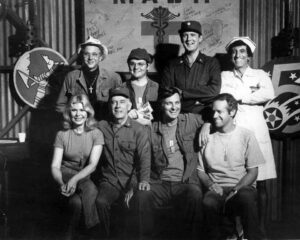
“The Interview” – Unfiltered Voices from Hell
Filmed in stark black and white as a documentary, this episode featured characters speaking directly to camera about their war experiences. The format stripped away the show’s usual humor and protective distance, forcing characters to articulate truths they normally buried under jokes. What emerged was devastatingly authentic—doctors describing the smell of burning flesh, nurses discussing the impossibility of saving everyone, and the quiet admission that they’d become numb to death.
This episode reflected war’s grinding, dehumanizing nature. There were no heroic speeches or patriotic platitudes—just exhausted people trying to explain what it feels like to live in perpetual crisis. The documentary format made viewers complicit witnesses, unable to hide behind the comfort of fictional storytelling. This was as close as television had ever come to showing war without filters or mercy.
“Abyssinia, Henry” – Chaos Kills the Innocent
Henry Blake’s death remains one of television’s most shocking moments, but its true power lies in how it reflects war’s random cruelty. Henry wasn’t killed in battle or during a heroic act—his plane was simply shot down on his way home. The episode brilliantly captured how war murders futures, not just bodies. Henry died believing he was safe, minutes away from reuniting with his family. His death served no strategic purpose and saved no lives—it was simply senseless slaughter.
The episode’s genius was keeping viewers in the dark until Radar’s trembling announcement in the operating room. This mirrored how death actually arrives in war—suddenly, unexpectedly, and with no time to prepare emotionally. Veterans called this the most authentic depiction of combat loss they’d seen, noting how it captured the numbness and disbelief that follows sudden death.
“Dear Dad…Three” – The Assembly Line of Death
This episode showed a thirty-six-hour surgery marathon, depicting the 4077th as a factory processing broken bodies. The episode’s structure—endless wounded arriving, surgery, brief rest, more wounded—reflected war’s exhausting, dehumanizing repetition. What made this powerful was showing how even compassionate doctors become mechanics, treating bodies as problems to solve rather than people to save.
The episode captured something rarely shown: how war normalizes horror. By the thirtieth hour, characters stop reacting emotionally to trauma. They’ve become efficient machines because feeling every patient’s pain would destroy them. This emotional shutdown, necessary for survival, reflects the moral injury war inflicts on caregivers forced to triage human suffering.
“The Bus” – When Safety is an Illusion
Stranded behind enemy lines with wounded soldiers, the 4077th staff face their mortality directly. This episode showed how quickly the illusion of safety shatters in war zones. The doctors weren’t soldiers—they weren’t trained for combat or prepared for direct danger—yet war didn’t care about their noncombatant status. The terror on their faces was authentic because these characters had always believed their role as healers somehow protected them.
What this episode captured brilliantly was war’s indiscriminate nature. The enemy didn’t recognize Red Cross neutrality, and the chaos of combat didn’t exempt medical personnel. This reflected countless real experiences where hospitals were bombed, medical transports attacked, and the rules of war proved worthless against its reality.
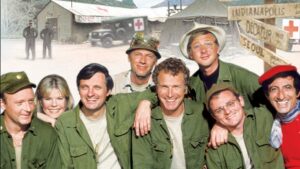
“Life Time” – The Clock is Always Running
Shot to unfold in real time, this episode followed a desperate attempt to save a soldier’s life during a thirty-minute window before permanent damage occurs. The relentless ticking clock, the sweat-drenched desperation, and the narrow success captured war medicine’s nightmarish pressure. Every second mattered, every decision was life or death, and there was no margin for error.
This episode reflected the constant weight military medical staff carried—knowing that hesitation, mistakes, or simple bad luck meant someone’s son or husband would die or lose a limb. The real-time format made viewers feel that pressure viscerally, understanding how war forces impossible decisions under crushing time constraints.
“Death Takes a Holiday” – No Peace, Not Even on Christmas
Set during Christmas, this episode shattered any notion of sacred pauses in warfare. While characters desperately tried to create holiday normalcy, wounded continued arriving, destroying every attempt at celebration. A dying soldier’s last wish to survive until after Christmas led doctors to lie about the date, revealing how war forces good people into heartbreaking deceptions.
The episode’s power came from its refusal to provide holiday comfort. War doesn’t pause for Christmas, death doesn’t respect sacred days, and trauma doesn’t take holidays. This unflinching honesty about war’s relentlessness made the episode both devastating and authentic.
“Dreams” – The Subconscious Battlefield
This experimental episode explored characters’ nightmares, revealing how war invades even sleep. Each dream sequence exposed different psychological wounds—Hawkeye’s fear of failure, Margaret’s terror of vulnerability, Charles’s dread of inadequacy. The surreal imagery captured what PTSD actually feels like: intrusive thoughts, distorted memories, and the impossibility of escaping trauma even unconsciously.
Veterans praised this episode for capturing invisible wounds. War doesn’t just damage bodies; it colonizes minds, transforming memories into weapons and turning sleep into another battlefield. The episode’s willingness to visualize psychological trauma decades before PTSD entered mainstream conversation was revolutionary.
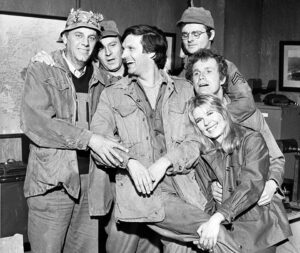
“Follies of the Living – Concerns of the Dead” – A Ghost’s Perspective
Told from a dead soldier’s viewpoint as his body goes through the 4077th, this episode forced viewers to see through death’s eyes. Watching doctors frantically work while knowing their efforts were futile created unbearable tension. The episode captured something profound: the distance between the living’s desperate activity and the dead’s peaceful acceptance.
This perspective flip revealed war’s ultimate truth—despite everyone’s best efforts, some people simply die, and their deaths become footnotes in an endless conflict. The episode’s compassion for both the dead soldier and the living who couldn’t save him reflected war’s tragic waste of human potential.
“Goodbye, Farewell and Amen” – The Finale That Told All
The series finale confronted PTSD, moral injury, and survivor’s guilt with brutal honesty. Hawkeye’s repressed memory of the bus incident—where a mother smothered her baby to save everyone—represented war’s most unbearable truth: it forces impossible choices that destroy souls. This wasn’t Hollywood trauma; this was authentic psychological breakdown captured in devastating detail.
The finale refused happy endings or complete healing. Characters left changed forever, carrying wounds that would never fully heal. This honest portrayal of trauma’s permanence reflected countless veterans’ experiences—war doesn’t end when fighting stops; it echoes through entire lifetimes.
The Legacy of Truth
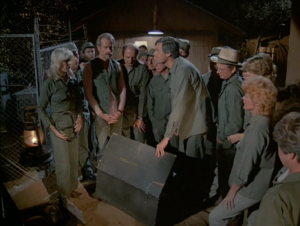
These ten episodes didn’t just entertain—they testified. They bore witness to war’s reality with a courage and honesty that challenged viewers’ comfortable assumptions. MAS*H proved television could be more than escapism; it could be a mirror forcing society to see truths it preferred to ignore. These episodes remain essential viewing not just for entertainment, but for understanding war’s true cost—a cost measured not in strategic victories but in shattered human beings.