MAS*H earned its reputation as television’s greatest series primarily through its brilliant balance of comedy and drama, its unflinching examination of war’s psychological cost, and its unforgettable characters. Yet woven throughout eleven seasons were love stories that added profound emotional depth to the series—romances that ranged from tragic impossibility to surprising hope, from fleeting wartime affairs to lasting commitments that defied circumstances. These relationships weren’t just subplot filler; they revealed essential truths about human connection in the midst of chaos, about the need for intimacy even when tomorrow remains uncertain, and about love’s power to survive even in war’s darkest moments.
What makes MASH’s romantic storylines so compelling is their refusal to follow conventional television formulas. Some love stories ended in heartbreak, acknowledging that war doesn’t provide convenient happy endings. Others surprised viewers by blossoming in unexpected places between seemingly incompatible people. The series understood that wartime romance carries unique intensity—heightened by mortality’s constant presence, complicated by duty and distance, yet somehow more honest because of the vulnerability trauma demands. These ten love stories showcase MASH’s sophisticated exploration of romance in impossible circumstances.
Hawkeye and Margaret: “Comrades in Arms”
Perhaps MAS*H’s most controversial and discussed romance occurred when Hawkeye and Margaret found themselves trapped together at a bombed-out building overnight, believing they might not survive until morning. The two-part “Comrades in Arms” episode explored what happened when years of antagonism, mutual respect, and underlying attraction finally culminated in a genuine connection. Their night together wasn’t played for laughs or sensation—it emerged from shared terror, vulnerability, and the desperate human need for comfort when death seems imminent.
The brilliance lay in what happened afterward. When they returned to the 4077th, both realized their affair couldn’t continue. Their personalities remained too different, their usual dynamics too established, their professional relationship too important to complicate permanently. Yet something fundamental had changed between them—they’d seen each other’s vulnerability and shared genuine intimacy. The long, passionate kiss they shared in the series finale callback to this connection, acknowledging that under different circumstances, perhaps they could have been something more. It remains one of television’s most mature explorations of attraction, timing, and paths not taken.

BJ and Peg: Love Across Impossible Distance
Unlike most MAS*H romances, BJ Hunnicutt’s relationship with his wife Peg never occupied the screen—we heard about her through BJ’s letters, references, and desperate homesickness. Yet this invisible romance became one of the series’ most powerful love stories precisely because of that distance. BJ’s unwavering devotion to his family, his refusal to compromise his faithfulness despite countless opportunities and years of separation, created a portrait of committed love tested by unbearable circumstances.
The episode “Oh, How We Danced” featured BJ describing in exquisite detail how he’d spend an anniversary with Peg—the restaurant they’d visit, the dress she’d wear, the song they’d dance to. The scene’s power came from Mike Farrell’s performance, making absent Peg completely real through the intensity of BJ’s longing. His final desperate attempt to reach home before the cease-fire, risking punishment and safety just for the chance to see his family sooner, demonstrated love’s power to drive even rational people to irrational action. The relationship reminded viewers that for every person serving in war, someone waited at home, and that separation might be the cruelest wound of all.

Klinger and Soon-Lee: Finding Love at the End
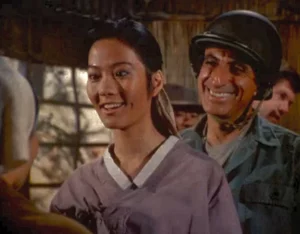
In the series’ final episodes, Klinger—who’d spent years desperately trying to escape Korea—fell in love with refugee Soon-Lee Han and chose to stay behind when everyone else went home. This shocking character arc worked because it felt emotionally true rather than contrived. Soon-Lee represented something Klinger had been searching for all along: a genuine connection that made his present circumstances meaningful rather than just something to escape from.
Their whirlwind romance, developing across just two episodes, moved with wartime intensity. Soon-Lee needed help finding her family; Klinger provided it. She gave him purpose beyond his own desires; he gave her safety and partnership. Their wedding in the final episode, conducted hastily before the camp disbanded, carried bittersweet weight—Klinger finally found love but sacrificed everything he’d been fighting for. The epilogue series “AfterMASH” showed them successfully building a life together in America, suggesting that sometimes love requires sacrifice but rewards it with meaning.
Charles and Martine: Incompatible But Unforgettable
Charles Winchester’s romance with French Red Cross volunteer Martine LeClerc in “Foreign Affairs” showcased the series’ ability to create complex emotional stories even in single episodes. Charles, the Boston Brahmin who valued sophistication and high culture, fell hard for the elegant Martine, believing he’d finally found someone who shared his refined sensibilities. His courtship was charmingly earnest, stripping away his usual pomposity to reveal genuine vulnerability.
The painful twist came when Charles discovered Martine’s true nature—she was Bohemian, unconventional, preferring camping to concerts and casual adventure to carefully planned elegance. The relationship couldn’t survive this incompatibility, yet both genuinely cared for each other. The episode avoided easy villains—neither was wrong for being themselves, but they simply couldn’t bridge their different approaches to life. Charles’s heartbreak felt real, particularly his wistful recognition that sometimes love isn’t enough when fundamental values don’t align. It remained one of David Ogden Stiers’ finest performances, showing Charles’s hidden capacity for genuine emotion.
Radar and His Unattainable Crushes
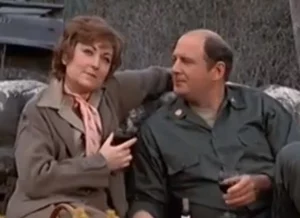
Gary Burghoff’s portrayal of Radar O’Reilly included numerous failed romantic attempts that were simultaneously comic and touching. Radar’s innocence and inexperience made his pursuit of various nurses endearing rather than pathetic, and his consistent failures highlighted the essential loneliness many young soldiers experienced—separated from sweethearts back home, surrounded by death, desperately seeking connection but lacking the confidence or experience to successfully navigate romance.
The episode “Love Story” featured Radar trying to impress a nurse interested in classical music and literature—subjects he knew nothing about. His friends’ attempts to help only made things worse, creating comedy from Radar’s earnest incompetence. Yet beneath the laughs lay genuine pathos—Radar wanted connection so desperately he’d pretend to be someone he wasn’t. When his various crushes inevitably failed, the humor couldn’t quite hide the loneliness. Radar’s romantic storylines served as counterpoint to Hawkeye’s casual affairs, showing that for every confident surgeon successfully navigating wartime romance, shy kids like Radar went home never having experienced the connection they craved.
Hawkeye and Kyung-Soon: The Impossible Love
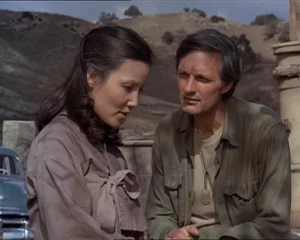
The episode “In Love and War” presented one of MAS*H’s most heartbreaking romances when Hawkeye fell genuinely in love with Korean refugee Kyung-Soon. Unlike his usual casual affairs, this relationship developed depth and genuine emotional connection. Kyung-Soon was educated, compassionate, and dedicated to helping other refugees—someone Hawkeye admired as much as desired. Their relationship offered the possibility that Hawkeye might find something lasting even in war’s chaos.
The tragedy came from impossible circumstances. Kyung-Soon’s commitment to her people and her own principles meant she couldn’t simply follow Hawkeye home or abandon her mission. Their separation wasn’t caused by lost interest or incompatibility but by duty and different destinies pulling them apart. Hawkeye’s grief at losing her revealed something viewers rarely saw—his capacity for genuine love beyond his protective cynicism and casual affairs. The relationship demonstrated that sometimes the deepest connections come when you can’t possibly be together, making the love both more powerful and more painful.
Margaret and Donald Penobscot: The Marriage That Couldn’t Survive
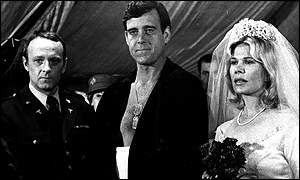
Margaret’s on-screen marriage to Lieutenant Colonel Donald Penobscot represented television’s remarkably honest portrayal of how wartime pressures can destroy relationships. Margaret approached the marriage with complete commitment, believing she’d finally found the partner who understood military life and shared her values. The camp celebrated her happiness, and viewers hoped Margaret might finally get the romantic fulfillment she deserved.
Instead, the show demonstrated how distance, different experiences, and changing people can unravel even sincere commitment. Donald’s infidelity devastated Margaret, but more crushing was the realization that the man she married no longer existed—war had changed both of them in incompatible ways. Her divorce represented a turning point in Margaret’s character development, forcing her to find identity and worth beyond romantic partnership. The failed marriage’s honesty about how relationships struggle under war’s pressures added painful realism to a series that never shied from difficult truths.
Frank and Margaret: The Affair Everyone Knew About
Before Margaret’s evolution into a complex, sympathetic character, her affair with Frank Burns provided both comedy and a strange sort of twisted romance. Their relationship was essentially toxic—built on shared self-righteousness, contempt for everyone around them, and convenient proximity. They treated their affair as somehow honorable despite Frank’s marriage, demonstrating self-delusion’s power when people desperately need validation.
Yet even this dysfunctional relationship revealed something about human need. Both Frank and Margaret were fundamentally lonely people hiding behind military authority and regulation. Their affair provided mutual comfort even as it demonstrated their worst qualities. When the relationship finally ended, neither emerged unscathed—Frank descended further into incompetence and delusion before his departure, while Margaret began the long journey toward becoming someone capable of genuine connection rather than just convenient affairs. The relationship served as cautionary tale about relationships built on shared negativity rather than genuine compatibility.
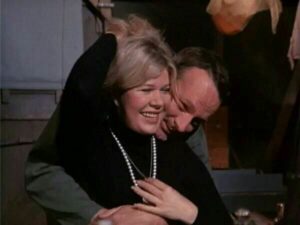
Potter and Mildred: Enduring Love Despite Separation
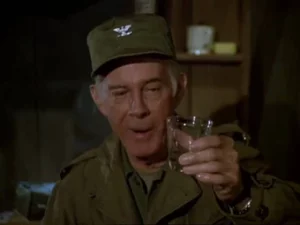
Colonel Potter’s marriage to his wife Mildred, conducted entirely through letters, phone calls, and Potter’s constant references, represented MAS*H’s portrait of mature, lasting love. Potter’s devotion never wavered despite years of separation, and his occasional phone calls home revealed genuine partnership built on decades of shared life. Unlike BJ’s desperate longing or Hawkeye’s cynical detachment, Potter’s relationship showed comfortable commitment—two people who’d built a life together and trusted it would survive this temporary separation.
The episode where Potter learned Mildred might be seriously ill showcased Harry Morgan’s dramatic range as Potter confronted the possibility of losing his partner. His terror at potential loss revealed how much his stable marriage anchored him through war’s chaos. Potter’s relationship demonstrated that lasting love doesn’t provide constant drama or passionate intensity—instead, it offers steady ground beneath your feet, the knowledge that someone waits for you, and the partnership that survives even when circumstances force temporary separation.
Winchester and the Korean Musicians
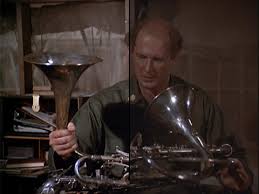
Though not romantic love, Charles Winchester’s relationship with the musically gifted Korean refugees in “Death Takes a Holiday” revealed his capacity for deep emotional connection. Charles secretly donated chocolate to the refugees, discovering they were gifted musicians whose talents war had stolen. His anonymous generosity and genuine grief when they were killed demonstrated that love extends beyond romantic partnership to encompass admiration, respect, and the human need to preserve beauty in war’s ugliness. The storyline showed that connection and caring take many forms, and that sometimes the deepest bonds form around shared passions rather than physical attraction.
Why These Love Stories Still Resonate
MAS*H’s romantic storylines succeeded because they treated love with the same sophisticated, honest approach the series applied to every other aspect of war’s impact on humanity. Love wasn’t escape from war’s horrors but another arena where conflict, distance, and mortality created complications. Some relationships survived; others couldn’t. Some provided lasting connection; others offered only temporary comfort. The series understood that people need love and intimacy even—perhaps especially—in terrible circumstances, and that those connections carry profound meaning regardless of whether they last.
These ten love stories showcase MAS*H at its most emotionally honest, exploring how people seek and sometimes find connection even when tomorrow remains uncertain. They remind us that love persists even in war’s darkest moments, that human connection remains possible even when circumstances seem impossible, and that sometimes the greatest love stories are the ones that don’t get conventional happy endings but leave us understanding something deeper about the human heart’s resilience and capacity for connection