Television viewers often focus primarily on visual elements—cinematography, acting, plot developments—while giving less attention to the equally crucial element of sound design and music. Yet MASH stands as a masterclass in how carefully selected music can amplify emotional impact, establish tone, and transform scenes from competent to unforgettable. The show’s approach to music was sophisticated and intentional, with composers and sound designers making deliberate choices about when to include music, what type of music to use, and how musical choices could serve thematic purposes. Understanding the ten most fascinating details about music in MASH reveals how the show achieved its extraordinary emotional resonance and cultural significance.
Detail One: The Iconic Theme Song’s Genius Simplicity
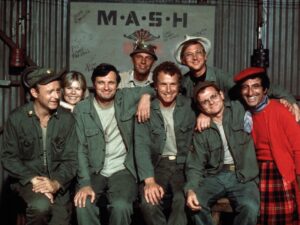
The most immediately recognizable element of MAS*H’s musical identity is its theme song—a piece of music so distinctive that hearing even a few notes instantly transports viewers to the 4077th MASH unit. Composed by Johnny Mandel with lyrics written by Mike Altman, the theme song represents a masterpiece of musical economy. Rather than employing dramatic orchestral flourishes or bombastic declarations, the theme uses minimal instrumentation and simple melody to create something immediately memorable and emotionally resonant.
The genius of the theme lies partly in what it conveys without words. The instrumental version, which played during most episodes, established tone and context through harmonica and strings, creating a sense of both comedy and underlying tragedy. When sung versions appeared (including the memorable performance by the cast), the lyrics transformed the musical statement into explicit thematic declaration: “Suicide is painless / It brings on many changes.” This darkly philosophical opening immediately signals to viewers that this show, while comedic, engages with serious subject matter including mortality and existential questions.
Detail Two: The Strategic Use of Silence
One of the most underappreciated musical details in MAS*H involves not music but silence. The show’s composers and editors understood that strategic absence of music could create emotional impact equal to or exceeding musical accompaniment. Certain scenes, particularly those involving profound emotional moments or significant character revelations, featured minimal musical accompaniment, allowing dialogue, environmental sound, and the actors’ performances to dominate the soundscape.
This restraint created powerful moments where viewers focused entirely on emotional content without the distraction of underscoring. A scene depicting a character’s breakdown might feature only subtle ambient sound and the character’s voice, allowing the performance and emotion to carry full weight. This sophistication in sound design—knowing when not to use music—represented a level of artistic maturity that many television programs never achieved.
Detail Three: Jazz and Popular Music as Character Markers
MAS*H frequently employed jazz and popular music selections to establish character identity and emotional context. Different characters had musical preferences that revealed personality, background, and values. Hawkeye’s connection to jazz music served as shorthand for his intellectual sophistication and cultural awareness. The show’s use of popular music from different eras helped establish historical context and created connections between the fictional Korean War setting and contemporary audiences’ experiences.
The strategic placement of specific songs often carried symbolic weight. A particular jazz standard might play during a scene establishing a character’s romantic connection or during moments of reflection about home and normalcy. These musical choices enriched character development and created additional layers of meaning beyond what dialogue alone could accomplish.
Detail Four: The Operating Room Symphony
The show’s use of music during surgical sequences represented particularly sophisticated sound design. Rather than accompanying these scenes with dramatic orchestral music designed to heighten tension, composers often employed subtle, almost ambient musical accompaniment that complemented rather than dominated the visual action. This approach served multiple purposes: it maintained focus on the medical procedures and the professionals performing them, it created emotional space for viewers to process what they were witnessing, and it avoided the melodrama that overly emotional music might create.
Certain surgical sequences featured minimal music or particular instrumental pieces that became thematically associated with specific procedures or situations. This consistency allowed viewers to develop psychological connections between music and context, enhancing emotional resonance through established patterns.
Detail Five: Music as Reflection of Psychological State
MAS*H’s composers understood that music could reflect characters’ internal psychological states in ways that dialogue couldn’t always capture. During episodes where characters experienced particular stress or emotional turmoil, the musical accompaniment might become slightly discordant or dissonant, creating subtle unease that reflected internal experience. This sophisticated approach to psychological realism through sound design added layers of meaning that viewers might process unconsciously.
Detail Six: The Absence of Original Score in Comedy Moments
Interestingly, many of MAS*H’s most successful comedy sequences featured minimal or no original musical score. The show’s writers and directors understood that comedy often works best when allowed to breathe without musical manipulation. By avoiding underscoring during comedic moments, the show allowed audiences to engage naturally with humor without the distraction of accompanying music guiding emotional response.
Detail Seven: Diegetic versus Non-Diegetic Music Choices
MAS*H demonstrated sophisticated understanding of the distinction between diegetic music (music that exists within the fictional world and that characters can hear) and non-diegetic music (music added by filmmakers for audience benefit). The show frequently employed diegetic music—characters listening to radio broadcasts, record players, or live performances—which served both character development and thematic purposes. This approach connected viewers more directly to characters’ experiences and created a sense of lived reality rather than artificial emotional manipulation.
Detail Eight: Leitmotif Development
While not employing classical leitmotif structure systematically, MAS*H’s composers developed recurring musical associations with particular characters, situations, or themes. Certain instrumental pieces became associated with specific emotional contexts, allowing viewers to recognize patterns and develop psychological expectations that composers could either fulfill or deliberately subvert for artistic effect.
Detail Nine: The Role of Silence in Dramatic Climaxes
Some of MAS*H’s most powerful moments featured complete silence during crucial scenes—no dialogue, no music, only visual action and environmental sound. These moments of absolute silence created profound impact precisely because they violated expectations established by television convention. By stripping away all accompanying sound, composers forced viewers into complete presence with the moment itself.
Detail Ten: Musical Continuity and Episodic Cohesion
The show’s approach to music created continuity across episodes and seasons while remaining flexible enough to serve individual episode narratives. Recurring musical themes and compositional choices helped audiences feel connected to the ongoing story while allowing composers freedom to create variation appropriate to specific episodes’ emotional content and thematic focus.
The Legacy of MAS*H’s Musical Sophistication
MASH’s approach to music and sound design represented sophisticated artistry that influenced subsequent television productions. By treating music not as decoration but as essential narrative and emotional element, the show elevated television’s artistic possibilities. These ten fascinating details about music in MASH reveal how sound design functioned as integral component of storytelling, contributing significantly to the show’s emotional power and cultural impact that persists decades after the final episode aired.