Television rarely possesses the courage to examine warfare truthfully. Most military entertainment maintains distance from genuine conflict’s devastation, preferring narratives emphasizing heroism, strategy, or patriotic valor. MAS*H distinguished itself by consistently approaching warfare from the perspective of those tasked with treating its consequences rather than those orchestrating its prosecution. This unique vantage point allowed the show to capture authentic realities that other programs avoided or romanticized.
The ten episodes discussed here represent MAS*H’s most unflinching examinations of warfare’s actual impact on human beings. These installments abandoned comedy entirely when exploring genuine consequences of military conflict. Rather than providing entertainment about war, they functioned as serious artistic statements about what warfare actually costs and how humans survive experiences that would typically destroy psychological functioning.
Episode One: “Preventive Medicine” – The Impossible Ethics of Medical Triage
This episode confronted one of warfare’s most devastating realities: situations where medical professionals must decide which patients receive limited resources and which will inevitably die despite excellent care. The episode refused to suggest that such decisions contain obviously correct answers. Instead, it portrayed the psychological toll of making choices where every option guarantees someone’s death.
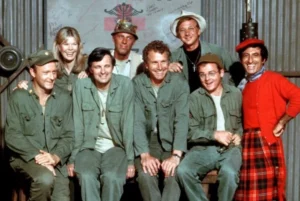
The episode’s power emerged from refusing to resolve this moral crisis neatly. The surgeons didn’t discover hidden resources enabling them to save everyone, nor did the narrative suggest that accepting some deaths somehow makes the burden easier. Instead, it portrayed the raw reality: medical professionals sometimes face situations where their skill and dedication cannot prevent catastrophic outcomes.
Episode Two: “The Interview” – Journalist Encounters Unvarnished Combat Reality
When a war correspondent arrived at the 4077th to collect human interest stories, this episode contrasted journalistic desire for dramatic narrative with the actual mundane tragedy of treating endless casualties. The episode portrayed how warfare consists not of exciting military maneuvers but repetitive exposure to human suffering that becomes normalized through constant exposure.
The correspondent’s initial enthusiasm for dramatic storytelling collided with the reality that most war stories contain nothing particularly interesting—just wounded people requiring treatment in inadequate circumstances. This episode captured something essential about warfare’s actual nature: it’s not heroic or exciting but repetitive and spiritually deadening.
Episode Three: “The Most Unwanted” – Racism and Prejudice Within Military Structure
This episode explored how warfare doesn’t erase societal prejudices but sometimes amplifies them. When racially motivated conflicts emerged at the hospital, the episode refused to suggest that shared suffering automatically transcends prejudice. Instead, it portrayed the added suffering imposed on individuals already experiencing combat trauma alongside systematic discrimination.
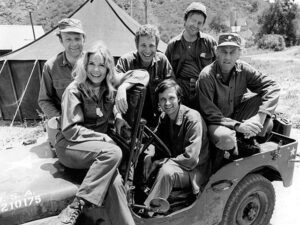
The episode’s power emerged from refusal to resolve prejudice through simple dialogue or moral pronouncement. Instead, it portrayed prejudice as embedded within institutional structures that warfare doesn’t eliminate. Those already marginalized experience warfare’s horrors alongside additional burden of systematic discrimination.
Episode Four: “Abyssinia, Henry” – Sudden, Meaningless Death
Colonel Sherman Potter’s unexpected death provided one of MAS*H’s most devastating confrontations with warfare’s randomness. Rather than dying heroically in combat, Potter simply became another casualty—killed randomly through circumstances containing no inherent meaning or significance. His death suggested that warfare often kills people not through military necessity but through random chance.
This episode captured essential warfare reality: individual deaths frequently lack meaningful context. People die not through dramatic sacrifice but through accidents, randomness, and circumstances containing no larger significance. This meaninglessness proved far more devastating than dramatic death narratives.
Episode Five: “Point of View” – Following One Patient Through the System
By following a single casualty’s progression through medical system, this episode captured the dehumanizing machinery of wartime medicine. The patient became not an individual but a series of procedures, diagnoses, and clinical decisions. The episode portrayed how treating overwhelming numbers of casualties necessarily involves some depersonalization—individuals must sometimes be treated as cases requiring processing rather than humans requiring compassionate attention.
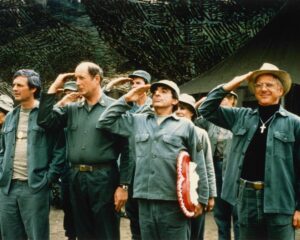
This episode captured the psychological defense mechanism enabling healthcare workers to maintain functionality under overwhelming circumstances: treating people as clinical problems rather than individuals with full humanity. While necessary for functionality, this depersonalization represents a genuine cost of combat medicine.
Episode Six: “Hawkeye” – Psychological Breakdown Under Accumulated Trauma
This episode portrayed what happens when accumulated trauma overwhelms individual capacity for psychological functioning. Rather than suggesting that humor and friendship enable unlimited resilience, the episode showed someone reaching genuine psychological breaking point where normal coping mechanisms fail completely.
The episode captured essential warfare reality: sustained exposure to trauma eventually overwhelms even psychologically resilient individuals. The show suggested that breakdown isn’t personal weakness but natural response to genuinely overwhelming circumstances. Humans possess limits, and warfare often exceeds those limits.
Episode Seven: “Destruct” – Moral Corruption Through Institutional Pressure
This episode explored how warfare corrupts moral functioning not through dramatic villainy but through accumulated small compromises. Characters gradually accepted practices they initially recognized as wrong, ultimately participating in behaviors they would have rejected before sustained combat exposure. The episode portrayed moral deterioration as gradual process rather than sudden choice.
This captured essential warfare reality: prolonged conflict gradually erodes moral standards through accumulation of small compromises. No single moment represents clear moral choice; instead, individuals gradually acclimate to practices they would have found unacceptable earlier.
Episode Eight: “Ping Pong” – Glimpses of Humanity Amid Dehumanizing Circumstances
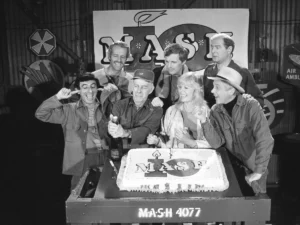
Despite warfare’s dehumanizing tendencies, this episode suggested that humans possess remarkable capacity to maintain dignity and find moments of connection. A ping-pong tournament provided temporary respite where individuals competed as themselves rather than purely as roles. The episode suggested that even within dehumanizing circumstances, brief moments of authentic human connection remain possible.
This episode captured important warfare reality: amidst overwhelming brutality, individuals continue seeking and creating moments of authentic human connection. These moments don’t negate warfare’s horror but represent human resilience and determination to maintain individual identity within dehumanizing circumstances.
Episode Nine: “Bug Out” – Chaos, Panic, and Military Operations’ Fragility
When forced to evacuate, this episode portrayed the chaos underlying military operations’ apparent order. The careful systems maintaining hospital functionality collapsed rapidly when circumstances changed. This episode captured warfare reality: despite appearing organized, military operations remain fragile, dependent on maintaining specific circumstances that can disintegrate quickly.
The episode portrayed panic, confusion, and human inability to maintain control when circumstances exceeded preparation. Rather than suggesting that training and discipline guarantee functionality, the episode portrayed situations where overwhelming circumstances exceed anyone’s capacity to maintain organization.
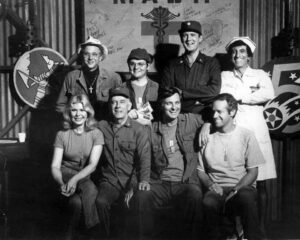
Episode Ten: “Goodbye, Farewell and Amen” – The Permanent Consequences of Warfare Experience
The series finale captured perhaps the most essential warfare reality: those who experience combat never simply return to normal. Characters left the war physically and psychologically altered, carrying experiences they would spend lifetimes processing. The finale suggested that survival doesn’t represent happy ending but beginning of lifelong journey managing trauma.
The episode captured that warfare’s consequences extend indefinitely. Those who survive carry permanent alterations they cannot escape. Time doesn’t heal warfare’s wounds; it simply extends the period during which survivors live with consequences of their experiences.
Why These Episodes Matter
These ten episodes matter because they refuse the comfortable distance most entertainment maintains from warfare’s genuine realities. Rather than providing entertainment about military conflict, they functioned as serious artistic statements about what warfare actually costs human beings. They captured realities including impossible medical decisions, psychological trauma, moral corruption, meaningless death, and permanent damage affecting survivors indefinitely.
These episodes distinguish MAS*H from typical military entertainment by suggesting that authentic engagement with warfare requires acknowledging its devastating human consequences. By portraying warfare truthfully, these episodes created something rare: entertainment that honors both genuine human suffering and viewers’ capacity to confront difficult truths about human experience. Their power emerges not from artistic manipulation but from commitment to portraying warfare’s authentic realities with dignity and unflinching honesty.