For eleven seasons and 251 episodes, MASH redefined what television could achieve, blending comedy and drama in ways that had never been attempted before. But among this embarrassment of riches, certain episodes rose above the rest—moments of such perfect storytelling, emotional resonance, and cultural impact that they’ve remained etched in viewers’ memories for over four decades. Based on viewer rankings, critical acclaim, and lasting cultural influence, these ten episodes represent MASH at its absolute finest. They’re the episodes that made audiences laugh, cry, think, and ultimately changed what we expected from television forever.
“Goodbye, Farewell and Amen” (Series Finale)
With 125 million viewers tuning in on February 28, 1983, this two-and-a-half-hour finale remains the most-watched television episode in American history. But beyond the record-breaking numbers, it delivered everything fans needed: closure, catharsis, and unflinching honesty about war’s psychological toll.
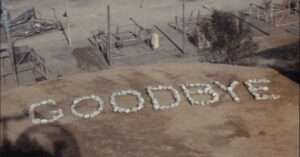
The episode’s centerpiece—Hawkeye’s repressed memory of a woman smothering her baby to keep their bus quiet during an enemy patrol—remains one of television’s most haunting moments. It was bold, disturbing, and absolutely necessary to show that some wounds never fully heal. The finale gave each character meaningful resolution without neat Hollywood endings. BJ finally goes home but leaves Hawkeye a goodbye message spelled out in stones. Margaret faces an uncertain future. Father Mulcahy loses his hearing. These were real consequences for real people, and viewers appreciated the show’s refusal to sugarcoat war’s lasting damage even in its final moments.
“Abyssinia, Henry”
When Henry Blake received his discharge papers, it should have been a happy ending. After three seasons of bumbling leadership and counting down days until he could return to Bloomington, Illinois, Henry was finally going home. The camp threw him a party, there were tearful goodbyes, and he climbed aboard the helicopter with a smile and a wave.
Then Radar walked into the OR and delivered the news that traumatized a generation: Henry’s plane had been shot down over the Sea of Japan with no survivors. The cast’s reactions were genuine—they hadn’t been told this would happen until moments before filming. Producer Larry Gelbart wanted to send an unmistakable message: in war, good people don’t always get happy endings. Sometimes they just disappear, randomly and senselessly. This episode established that MAS*H played for keeps and elevated it beyond typical sitcom fare into something far more profound and truthful.
“The Interview”
Shot in black and white as a mock documentary, this experimental episode featured reporter Clete Roberts interviewing the 4077th staff about their experiences. What made it extraordinary was its simplicity—no elaborate plot, no dramatic crisis, just characters speaking honestly about what war does to people.
The interview format stripped away the show’s usual comedic buffer, forcing characters to articulate things they normally kept buried under jokes and distractions. Hawkeye talks about the absurdity of fixing people just so they can return to combat. Margaret discusses the impossible position of being a woman in a male-dominated military structure. The episode’s documentary realism made it feel less like fiction and more like actual testimony from actual veterans, creating an emotional authenticity that resonated powerfully with viewers who had lived through Korea or Vietnam.
“Sometimes You Hear the Bullet”
This early episode established MAS*H’s dramatic credentials and gave us one of television’s most memorable emotional breakdowns. When Hawkeye’s friend Tommy Gillis dies on the operating table, Hawkeye completely falls apart, sobbing over the loss while a teenage soldier who lied about his age to enlist gets to live.
The episode’s title comes from Tommy’s book about his war experiences, where he tells Hawkeye that despite all the combat he’s witnessed, he’s never actually heard a bullet with his name on it—until, tragically, he does. BJ’s gentle explanation of why Hawkeye finally broke down—”The wounds catch up with all of us”—became one of the series’ most quoted lines. This episode proved that MAS*H could make viewers genuinely cry without sacrificing its comedic identity, a balance the show would perfect over the following seasons.
“Point of View”
Told entirely from the perspective of a wounded soldier who cannot speak, this experimental episode showcased MAS*H’s creative ambition. The camera becomes the patient’s eyes as the 4077th staff works frantically to save his life, speaking directly to him (and us) throughout the procedure.
What elevated this beyond gimmick was how it forced viewers to experience the vulnerability and terror of being a wounded soldier. We see the worried faces hovering above us, hear the medical jargon we don’t understand, feel the helplessness of being unable to communicate or control what’s happening to our own body. The episode created empathy through perspective in ways that traditional storytelling couldn’t match. It was bold, innovative television that proved MAS*H was willing to take creative risks even in its later seasons.
“Dear Sigmund”
Structured as a letter from Sidney Freedman to Sigmund Freud, this episode used the psychiatrist’s perspective to examine the psychological toll of wartime medicine on the 4077th staff. Sidney observes his friends using humor, pranks, and elaborate schemes to maintain their sanity while surrounded by constant death and suffering.
Allan Arbus’s performance as Sidney gave the episode its emotional core. As someone who existed between worlds—military but not military, insider but also observer—Sidney could see clearly what the others couldn’t: they were all struggling with trauma in their own ways, using whatever coping mechanisms they could cobble together. The episode validated that survival sometimes means accepting imperfect solutions and that maintaining sanity in insane circumstances is itself a form of heroism. It was MAS*H at its most psychologically sophisticated, treating mental health with nuance and respect years before such discussions became mainstream.
“Hawkeye”
After a jeep accident leaves him stranded with a concussion and a possibly life-threatening injury, Hawkeye spends the entire episode talking to a Korean family who doesn’t speak English, desperately staying conscious by verbalizing his thoughts and memories. Alan Alda’s virtuoso one-man performance carried the entire thirty minutes without ever feeling stagey or artificial.
The episode worked because it stripped away all of Hawkeye’s usual defense mechanisms. Without an audience for his jokes or companions to distract him, we see the fear, loneliness, and vulnerability he normally hides behind wisecracks and martinis. It was a masterclass in character study, proving that after seven seasons, there were still new depths to explore. The episode also highlighted the show’s technical excellence—maintaining tension and emotional engagement with essentially one actor in one location was a remarkable achievement.
“The Bus”
The 4077th staff boards a bus to get to an aid station, but mechanical problems and enemy patrols turn a simple journey into a nightmare. Stranded in dangerous territory, personalities clash, fear escalates, and the thin veneer of civilization begins cracking under pressure.
This bottle episode demonstrated how well the show’s ensemble worked together. With the entire cast confined to a single location facing shared danger, every character’s response revealed something essential about who they were under extreme stress. Some rise to the occasion, others fall apart, and everyone’s coping mechanisms get pushed to their limits. The episode built tension masterfully, using the claustrophobic setting and encroaching danger to create genuine suspense. It proved that MAS*H could excel at pure survival drama when it wanted to, adding yet another genre to its already impressive repertoire.
“Death Takes a Holiday”
During the Christmas season, the 4077th staff desperately tries keeping critically wounded patients alive through December 25th so their deaths won’t be recorded as occurring on Christmas—a small mercy for families who would otherwise associate the holiday with loss forever.
The episode’s tragedy lay not in a single shocking death but in the grinding, relentless nature of wartime medicine. Success meant barely postponing the inevitable, and even that required warping medical ethics and playing God with timing. The staff’s exhaustion by episode’s end—having fought to give strangers’ families one unruined Christmas—captured the psychological toll of trying to inject tiny moments of mercy into an inherently merciless situation. It was MAS*H acknowledging that sometimes there are no victories, only slightly less terrible defeats.
“Officers Only”
When the camp’s enlisted personnel are temporarily restricted from the Officers’ Club, class tensions explode into open conflict. What begins as a bureaucratic annoyance escalates into genuine resentment as the arbitrary nature of military hierarchy gets exposed and challenged.
This episode tackled systemic inequality within the military structure without becoming preachy or heavy-handed. It showed how arbitrary rules create artificial divisions between people who otherwise work side-by-side as colleagues and friends. The resolution doesn’t fix the system—military hierarchy remains intact—but it forces characters to recognize and grapple with the unfairness they participate in. It was social commentary woven seamlessly into character-driven storytelling, demonstrating MAS*H’s ability to address serious issues while remaining entertaining and emotionally engaging.
Why These Episodes Still Matter
These ten episodes represent television operating at its highest level—smart, emotionally honest, technically innovative, and unafraid to challenge both its audience and itself. They proved that popular entertainment could also be meaningful art, that comedy and tragedy weren’t opposites but partners, and that viewers were sophisticated enough to handle complexity, ambiguity, and uncomfortable truths.
Decades after their original airings, these episodes remain powerful because they tap into timeless aspects of human experience. We still struggle with trauma, loss, systemic injustice, and the challenge of maintaining our humanity in inhumane circumstances. MAS*H didn’t just tell stories about the Korean War—it told stories about what it means to be human, and that never goes out of style.